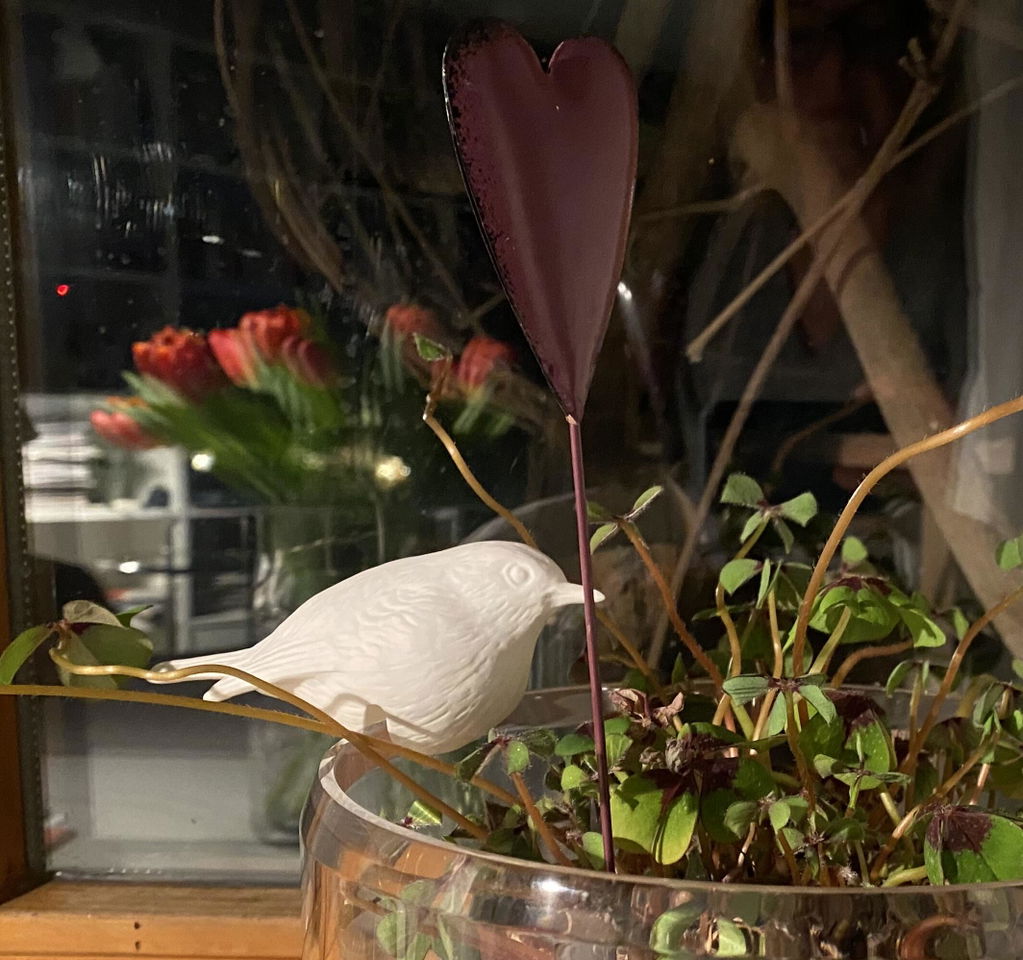

Gardening has always been an evolving practice, reflecting changes in lifestyle, environmental concerns, and technological advancements. As we approach 2025, the gardening world is set to undergo transformative shifts that focus on sustainability, innovation, and customization. Whether you're a seasoned green thumb or just beginning your gardening journey, staying updated with the latest trends will help you create a garden that's not only beautiful but also responsible, efficient, and uniquely your own.
1. Sustainability Takes Center Stage
One of the most significant gardening trends in 2025 is the growing emphasis on sustainability. As climate change continues to impact ecosystems around the world, gardeners are increasingly looking for ways to minimize their environmental footprint while still creating lush, thriving spaces.
Eco-Friendly Materials: Gardeners are becoming more selective about the materials they use, opting for sustainable, recycled, and biodegradable options. From compostable planters to upcycled garden structures, eco-friendly materials are revolutionizing how we think about garden products. For example, biodegradable pots made from rice husks, coconut coir, or other plant-based materials are gaining popularity as alternatives to plastic containers. These eco-friendly options break down naturally over time, reducing waste in landfills and avoiding the harmful effects of plastic pollution.
Water Conservation: Water scarcity is a growing concern in many regions, and 2025 gardening trends reflect a heightened awareness of water conservation. Gardeners are shifting toward drought-tolerant plants, rainwater harvesting systems, and more efficient watering methods. Xeriscaping, the practice of designing landscapes with water-efficient plants, is becoming more common. Native plants that are well-suited to local climates not only require less water but also support local wildlife, making them a win-win for both the environment and biodiversity.
Soil Health and Organic Practices: Soil health is another key focus for 2025 gardeners. Composting, mulching, and the use of organic fertilizers are becoming the standard practices for promoting a healthy garden ecosystem. With the rise of soil health awareness, gardeners are increasingly avoiding synthetic chemicals that can harm soil biodiversity. Instead, they're opting for organic amendments that improve soil structure, enhance microbial activity, and support healthy plant growth without polluting the environment.
2. Technology-Driven Gardening
In 2025, gardening is embracing the power of technology to make the process more efficient, precise, and enjoyable. As our lives become more connected, the tools we use in the garden are evolving to reflect this shift toward automation and data-driven decision-making.
Smart Irrigation Systems: One of the most exciting developments in gardening technology is the rise of smart irrigation systems. These systems use sensors, weather forecasts, and data analytics to deliver the right amount of water to plants at the optimal times. By adjusting watering schedules based on factors like temperature, humidity, and soil moisture levels, smart irrigation systems can conserve water and reduce waste. This is especially important in areas where water is a precious resource. Moreover, many systems can be controlled remotely through smartphone apps, making it easier for gardeners to monitor and adjust irrigation needs from anywhere.
Indoor Plant Care with Technology: Indoor gardening has been significantly enhanced by technology advancement. For instance, self-watering pots are gaining traction among indoor plant enthusiasts. These innovative pots are designed to deliver a steady supply of water to plants, preventing overwatering or underwatering. Some models even feature built-in moisture sensors that notify gardeners when it's time to refill the water reservoir. As indoor gardening continues to rise in popularity, these devices are making it easier for plant owners to maintain healthy plants with minimal effort.
Robotic Lawn Care: Lawn maintenance has also been revolutionized with robotic mowers. These autonomous machines can trim your lawn with minimal human intervention, saving time and energy. In 2025, these mowers will become more advanced, with enhanced sensors for obstacle detection and improved battery life. They'll also become more affordable, allowing a broader range of gardeners to enjoy the benefits of automated lawn care.
Garden Design Apps and Software: Garden design tools are also becoming more advanced. Gardeners can now use apps and software that allow them to digitally plan and visualize their garden layouts before planting a single seed. These tools can suggest plant pairings, provide watering schedules, and even recommend maintenance tips based on your location and garden type. With the help of AI, these apps are becoming personalized, offering advice tailored to specific plant types and local growing conditions.
3. Vertical Gardens and Urban Farming
With urban areas growing rapidly and space becoming increasingly limited, vertical gardening and urban farming are expected to continue their upward trend in 2025. Vertical gardening allows gardeners to maximize space by growing plants upwards rather than outwards, making it ideal for apartment dwellers and those with small backyards.
Vertical Gardens: Vertical gardens are not just a trend but a necessity for many people living in cities. These gardens can be created using modular systems, wall-mounted planters, or repurposed materials like wooden pallets. Vertical gardening allows for the cultivation of vegetables, herbs, flowers, and even small trees in limited spaces. These systems often incorporate smart irrigation and self-watering technologies, making them low-maintenance while still producing a variety of plants.
Urban Farming and Community Gardens: Urban farming is another area that is expected to grow significantly in 2025. As more people look to grow their own food in cities, community gardens are becoming a hub for sustainability, food security, and social connection. These gardens allow residents of urban areas to come together, share resources, and grow fresh produce in shared spaces. Some cities are also incorporating rooftop farms, allowing businesses and residential buildings to grow food on their rooftops, reducing food miles and promoting local produce.
Aquaponics and Hydroponics: These soilless growing techniques are gaining momentum in urban farming. Aquaponics combines fish farming with plant cultivation, creating a self-sustaining ecosystem where fish waste provides nutrients for the plants, and the plants help filter the water for the fish. Hydroponics, on the other hand, allows plants to grow in a nutrient-rich water solution, offering faster growth rates and space-saving benefits. These systems are becoming more affordable and accessible, allowing urban dwellers to grow food in even the smallest spaces.
4. Native Plants and Pollinator-Friendly Gardens
As awareness of the importance of biodiversity grows, native plants and pollinator-friendly gardens are increasingly in demand. Native plants are adapted to local climates, making them more resilient to pests, diseases, and extreme weather conditions. They also provide food and shelter for local wildlife, including pollinators like bees, butterflies, and birds.
Native Plant Landscaping: In 2025, more gardeners will be incorporating native plants into their landscapes. These plants are not only better suited to local conditions, but they also require fewer resources such as water and fertilizers, making them an eco-friendly choice. Native plants also help preserve the genetic diversity of local plant species, contributing to the overall health of the ecosystem.
Pollinator-Friendly Gardens: Creating gardens that support pollinators is another growing trend in 2025. Pollinators play a vital role in the ecosystem by enabling plants to reproduce, and their decline has been linked to the loss of biodiversity. By planting a diverse array of nectar-rich flowers, shrubs, and trees, gardeners can create habitats that attract and support pollinators. Gardens that provide shelter, water, and food sources for pollinators are essential for maintaining ecological balance.
5. Personalized Gardens
The concept of personalization is increasingly influencing gardening trends. With advances in technology and a deeper understanding of individual preferences and needs, gardeners in 2025 will have more opportunities to create personalized, tailored spaces.
Customized Garden Designs: Gardeners will continue to embrace the idea of creating spaces that reflect their personal styles, whether that's through the selection of plants, colors, or design elements. Customization will also extend to garden tools and accessories, with products designed to meet individual needs, such as ergonomic tools for those with physical limitations or decorative elements that reflect personal tastes.
Garden Wellness: Gardening is increasingly being recognized as a form of therapy and a way to promote mental health. In 2025, gardeners will continue to personalize their spaces to foster relaxation and mindfulness. This could mean creating a sensory garden with fragrant flowers, textured plants, and calming colors or designing a quiet retreat for meditation and reflection.
Gardening Trends
As we move toward 2025, gardening is embracing a combination of sustainability, technology, and personalization. From vertical gardens to smart irrigation systems, the future of gardening looks exciting and innovative. Whether you're interested in reducing your environmental impact, incorporating advanced technologies into your gardening routine, or creating a space that reflects your personal style, these trends offer numerous opportunities for gardeners to grow smarter, greener, and more creatively.
You may also be interested in: Orchideen zum Blühen bringen: So gelingt es einfach - Tipps vom ...
Discover your gardening joy with a top selection. Your joy and green happiness begin here. Shop Now
Powered by flareAI.